


The Sensitive-Ear Guide
Hypoallergenic Earrings for Sensitive Ears
What does hypoallergenic actually mean—and which earrings should you choose when your ears become itchy, red or sore? Consider this the clear guide to the metals, posts and finishes that matter.
Shop Hypoallergenic EarringsThe 60-Second Answer
What Are Hypoallergenic Earrings?
Hypoallergenic earrings are designed to reduce the likelihood of irritation or an allergic reaction. They are not guaranteed to suit every wearer, so the materials behind the label still matter.
The word “hypoallergenic” matters less than the details behind it.
Nickel Release
Nickel is a common cause of allergic contact dermatitis from jewellery. Look for clear material information and testing against the applicable UK and EU limits for nickel release.
The Earring Post
The post passes through the piercing and the fastening rests against the ear. Their materials matter just as much as the decorative part you can see.
Full Material Details
A useful product description should identify the base metal, post material and finish rather than relying on the word “hypoallergenic” alone.

More Than One Possible Cause
Why Do Earrings Irritate Sensitive Ears?
Itching, redness or soreness does not automatically mean that every earring is off limits. The reaction may involve metal sensitivity, pressure, friction or residue collecting around the piercing.
Metal Sensitivity
Nickel is a common jewellery-related trigger. A reaction may appear as itching, redness, dry skin or swelling where the metal touches the ear.
Weight, Pressure and Friction
Heavy earrings, tight fastenings and rough edges can pull or rub against the piercing. Lightweight designs can make longer wear considerably more comfortable.
The Post and Fastening
The post sits inside the piercing while the fastening rests against the ear. Their materials matter just as much as the decorative front.
Residue and Moisture
Skincare, hair products, sweat and moisture can collect around earrings and their backs. Regular gentle cleaning helps limit unnecessary build-up.
Persistent swelling, blistering, discharge or worsening pain should be assessed by a clinician, dermatologist or professional piercer.
Read Beyond the Label
What Does “Hypoallergenic” Actually Mean?
In jewellery, hypoallergenic means less likely to cause an allergic reaction. It does not mean that a piece is guaranteed to suit every person, because individual sensitivities differ and the complete construction of the earring still matters.
The Risk Has Been Considered
A responsible hypoallergenic claim should be supported by suitable materials, clearly identified components and compliance with the applicable limits for substances such as nickel.
Allergy-Proof for Everyone
No jewellery label can guarantee that every wearer will remain reaction-free. Existing allergies, friction, moisture and the condition of the piercing can all affect comfort.
The Practical UK & EU Standard
Nickel Release, Not Just Nickel Content
Jewellery rules focus on how much nickel can migrate from a piece during wear. The requirement is stricter for the post assembly placed through a piercing than for other parts intended for direct and prolonged skin contact.
Maximum nickel-release limit for post assemblies inserted into pierced ears or other pierced parts of the body.
Maximum nickel-release limit for jewellery parts intended for direct and prolonged contact with the skin.
How to Read a Galleria Armadoro Product Page
Earring construction varies by design. Look at the complete material description rather than assuming that the visible colour tells you what every component is made from.
The Body
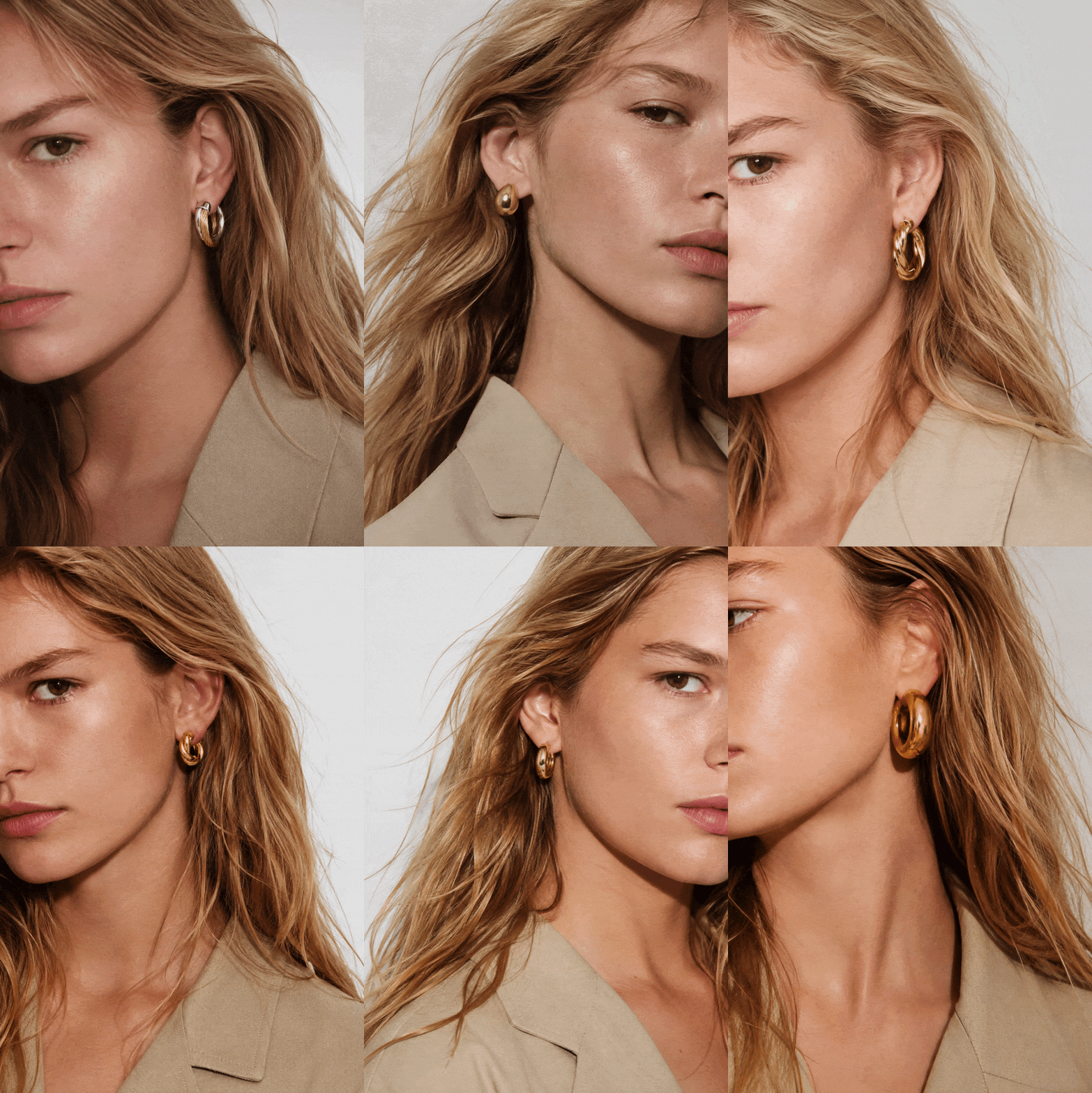
The base material used to form the visible hoop, huggie or stud. This may differ between delicate earrings and larger statement designs.
The Finish
The outer surface, such as gold plating or white rhodium, which provides the final colour and sits between the base material and the skin.
The Post and Back
The parts placed through or directly against the piercing. These components deserve particular attention when your ears are sensitive.
Materials vary by design. Always check the individual product description for the full composition, finish and post information.
The Part You Do Not See
Which Earring Back Is Better for Sensitive Ears?
Butterfly backs and ball-screw backs offer different fits, but neither style is automatically hypoallergenic. The post material, fastening material, fit and condition of the piercing all contribute to how an earring feels.

The Familiar Classic
A straight post passes through the ear and is secured by a separate butterfly-shaped fastening at the back.
Fully healed lobe piercings and earrings that are changed regularly.
Familiar, easy to remove and simple to adjust according to the thickness of the lobe.
Avoid pushing the back tightly against the ear. A small amount of space helps reduce unnecessary pressure and trapped moisture.

The Rounded Alternative
A small rounded ball screws onto the post, creating a more streamlined finish at the back of the ear.
Fully healed upper-lobe and cartilage placements, curated ear stacks and earrings worn for longer periods.
The rounded fastening has no butterfly wings and may feel smoother behind the ear or snag less on hair and clothing.
Choose the correct post length and make sure the ball is secure without compressing the skin.
So, Which Should You Choose?
Choose according to your piercing placement, preferred fit and how often you change your earrings. For sensitive ears, always check the post, fastening and finish rather than choosing by backing style alone.
Shop Ball-Screw EarringsFor a fresh or healing piercing, ask your professional piercer whether the exact jewellery material, post length and construction are appropriate before it is sterilised and fitted. Do not change initial jewellery without professional guidance.
Materials Matter
What Are the Best Earring Materials for Sensitive Ears?
There is no single material that suits every sensitive ear. The best choice depends on the complete earring: its body, finish, post, fastening, fit and whether the piercing is fully healed.

Sterling Silver or Brass?
Read the Construction, Not Just the Headline
Sterling silver and nickel-conscious brass can both be used in earrings for fully healed ears. What matters is how the piece is constructed, finished and tested, particularly around the post and fastening.
An alloy containing 92.5% silver. It is frequently used for studs, huggies, posts and smaller earrings, but the remaining alloy and the finished piece still matter.
Useful for creating larger, sculptural earrings without the weight of solid precious metal. Selected Galleria Armadoro designs combine a plated brass body with a 925 sterling silver post.
The Sensitive-Ear Material Guide
The right choice also depends on whether you are shopping for a fully healed lobe, a healed cartilage piercing or jewellery for an initial piercing.
925 Sterling Silver
For Fully Healed PiercingsA versatile choice for studs, huggies and earring posts. Check the complete alloy, finish and product-specific material details.
Implant-Grade Titanium
For New or Healing PiercingsOften selected by professional piercers for initial jewellery. The exact grade, fit and construction should be confirmed by the piercer performing or caring for the piercing.
Solid Gold
Check the Complete AlloySuitable gold jewellery depends on purity and alloy composition. Gold colour alone does not reveal which additional metals are present.
Plated Statement Earrings
For Fully Healed EarsLook for a clearly disclosed base material, finish and post. Protect the plated surface and stop wearing the piece if the finish becomes damaged around a contact point.
The Most Important Part May Be the Post
A statement hoop can have a different body material from the post that passes through the ear. Check all three details: body, finish and post.
Shop Earrings for Sensitive EarsFashion earrings should be introduced only after a piercing has fully healed. For a new or healing piercing, ask a qualified professional piercer to select the appropriate material, construction and post length.

The Buying Guide
How to Choose Hypoallergenic Earrings
Begin with the piercing placement, then consider the post, fastening and weight. For fully healed ears, the most comfortable option is usually the one that combines clear materials, a secure fit and minimal unnecessary pressure.
Stud Earrings
Light and Close-FittingA useful everyday choice for healed lobes. Check both the post and butterfly back, and avoid fastening the earring too tightly against the skin.
Huggie Earrings
Smooth and StreamlinedTheir close fit creates less movement than a drop earring. Choose the correct internal diameter so the huggie sits comfortably without pressing into the lobe.
Lightweight Hoops
Statement Without the PullLarger hoops need not feel heavy. Hollow and carefully engineered designs can provide a chunky silhouette while placing less strain on fully healed lobes.
Ball-Screw Studs
Rounded at the BackThe rounded fastening can feel smoother behind the ear and may snag less on hair or clothing. Confirm the post length and material before choosing one for a healed upper-lobe or cartilage placement.
Fresh Versus Fully Healed
Are Hypoallergenic Earrings Safe for New Piercings?
Not automatically. “Hypoallergenic” describes a reduced risk of an allergic reaction; it does not confirm that an earring has the exact material, dimensions and construction required for initial healing.
Let the Piercer Choose
Initial jewellery sits inside a healing wound. Its material, gauge, post length and fastening must suit both the placement and your anatomy.
- Use jewellery selected and fitted by a qualified professional piercer.
- The jewellery should be made from a documented material suitable for initial piercing.
- Do not change the jewellery during healing unless your piercer identifies a problem with its size, style or material.
- Sterling silver and plated fashion earrings should not be used as initial jewellery in a fresh or unhealed piercing.
Introduce Fashion Earrings Carefully
Once the piercing has healed completely, suitable studs, huggies, hoops and ball-screw earrings can be introduced according to the placement and your own sensitivities.
- Check the post, fastening, base material and finish.
- Choose the correct diameter or post length so the jewellery does not compress the ear.
- Begin with shorter periods of wear when trying a new material or fastening.
- Stop wearing the earring if persistent itching, redness or swelling develops.
Three Details That Are Often Confused
A comfortable-looking fastening and a clean surface are useful, but neither replaces the material and construction requirements of initial piercing jewellery.
Backing Style
A rounded ball-screw back may feel smoother, but its shape alone does not make an earring suitable for a fresh piercing.
Sterilisation
Sterilisation removes microorganisms. It does not change an unsuitable metal, coating, gauge or post length into appropriate initial jewellery.
Looking Healed
A piercing can appear settled on the outside while the internal channel remains fragile. Ask your piercer before changing it.
Piercing guidance: Association of Professional Piercers · NHS
Clean, Dry, Repeat
How to Clean Hypoallergenic Earrings
Even suitable materials can feel uncomfortable when skincare, hair products, sweat or moisture collect around the post and fastening. Gentle cleaning protects both your ears and the earring finish.
Wipe the Contact Points
Use a clean, soft and lint-free cloth on the post, fastening and areas that sit directly against the ear. Remove visible residue before storing or wearing the earrings again.
Clean Gently
Where the product care instructions permit, use lukewarm water and a small amount of mild soap. Avoid aggressive scrubbing, which can mark polished surfaces or gradually weaken a plated finish.
Dry Completely
Pat every component dry and allow the earrings to air-dry fully before wearing or storing them. Pay particular attention to hinges, backs and threaded ball-screw fastenings.
Do
- Clean the post and fastening before first wear.
- Put earrings on after perfume, hairspray and skincare have dried.
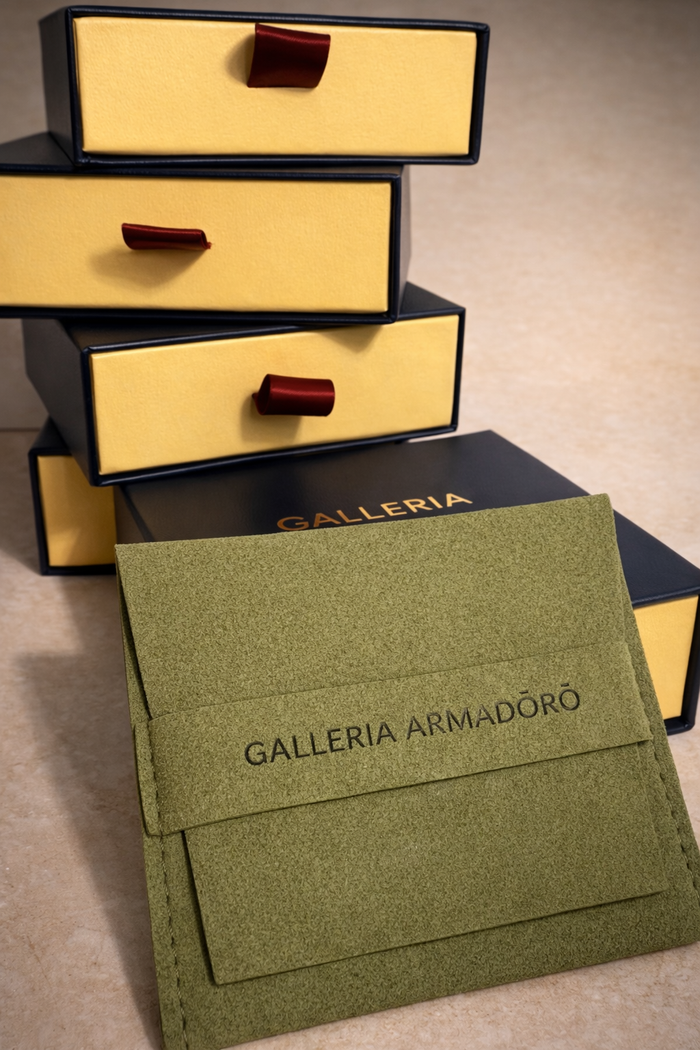
- Keep pairs separated in a dry jewellery box or soft pouch.
- Check hinges, posts and threaded fastenings regularly.
Avoid
- Abrasive cloths, brushes or jewellery-cleaning powders.
- Bleach, acetone and harsh household cleaning products.
- Storing earrings while they are damp or covered in residue.
- Wearing an earring when its post, fastening or finish is damaged.
Should You Clean New Earrings Before Wearing Them?
Yes. Give the post and fastening a gentle clean before first wear, especially if the earrings have been handled while trying them on. Make sure every part is completely dry before inserting it into a fully healed piercing.
Shop Silver & Gold EarringsFollow the care instructions supplied for the individual design. Jewellery containing delicate stones, enamel or specialist finishes may require a different cleaning method. This section refers to earrings worn in fully healed piercings, not aftercare for a new piercing.
The Earrings Edit
Find Your Sensitive-Ear Style
Begin with the shape you enjoy wearing, then check the body, post, fastening and finish listed on the individual product page.
 01
01
Hypoallergenic Hoops
From small everyday shapes to lightweight statement hoops with carefully disclosed posts and finishes.
Shop Hoops 02
02
Huggie Earrings
Close-fitting shapes available in different internal diameters for lobes and fully healed ear placements.
Shop Huggies 03
03
Stud Earrings
Small sculptural designs for fully healed lobes, available with traditional and selected alternative fastenings.
Shop Studs 04
04
Ball-Screw Earrings
Rounded screw-back studs designed for secure styling in fully healed lobes and cartilage placements.
Shop Ball-Screw EarringsQuestions, Answered
Hypoallergenic Earrings FAQ
The quick answers to the questions most frequently asked about sensitive ears, earring materials, new piercings and everyday care.
Sensitive ears deserve more information—not fewer earrings.
What are hypoallergenic earrings?
Hypoallergenic earrings are designed to be less likely to cause an allergic reaction. The term is not a guarantee, so always check the base material, finish, post and fastening rather than relying on the label alone.
Are hypoallergenic earrings completely allergy-proof?
No. Individual sensitivities vary, and even a carefully constructed earring may not suit every wearer. Pressure, friction, trapped moisture and residue can also cause discomfort that is not necessarily an allergy.
What earrings are best for sensitive ears?
Look for earrings with clearly disclosed materials, suitable posts and secure fastenings. Lightweight studs, properly fitted huggies and hollow statement hoops may feel more comfortable because they place less unnecessary pressure on a fully healed piercing.
Is 925 sterling silver hypoallergenic?
Sterling silver contains 92.5% silver and 7.5% other metals. It can be suitable for many sensitive ears, but the remaining alloy, surface finish and completed earring still matter. Sterling silver should be worn only in fully healed piercings, not as initial jewellery in a fresh piercing.
Are gold-plated earrings suitable for sensitive ears?
They may be suitable for fully healed sensitive ears when the base material, post, fastening and plating are clearly disclosed and comply with applicable nickel-release limits.
Stop wearing the earring if the finish becomes damaged around a point that sits inside or directly against the piercing.
Are brass earrings suitable for sensitive ears?
Brass can be used for the body of a plated statement earring, particularly when a larger sculptural shape needs to remain lightweight. Check the finish and the separate material used for the post that passes through the ear.
Are ball-screw earrings better for sensitive ears?
A rounded ball-screw fastening may feel smoother behind the ear and can snag less on hair or clothing. However, the backing shape alone does not make an earring hypoallergenic. The post, fastening material and fit remain essential.
Can hypoallergenic earrings be worn in a new piercing?
Not automatically. Initial jewellery should be selected and fitted by a qualified professional piercer using a documented material and construction appropriate for healing.
Gold-plated jewellery and sterling silver fashion earrings should wait until the piercing is fully healed.
What does REACH-compliant mean for earrings?
EU REACH rules restrict the amount of nickel that jewellery may release during wear. The limit for post assemblies inserted through a piercing is stricter than the limit for other jewellery parts in direct and prolonged contact with the skin.
Compliance is about nickel release, not simply whether the word “nickel-free” appears in a product description.
How often should hypoallergenic earrings be cleaned?
Clean the post and fastening before first wear and whenever residue becomes visible. Earrings worn frequently should be wiped regularly and dried completely before they are returned to the ear or stored.
What should I do if my ears react to earrings?
Remove the fashion earring from a fully healed piercing and stop wearing it if persistent itching, redness or swelling develops. Seek advice from a clinician or dermatologist if symptoms do not settle.
For a new or healing piercing, contact the piercer or a healthcare professional before removing the jewellery. Increasing pain, heat, significant swelling, pus or feeling generally unwell may indicate an infection requiring prompt medical advice.
Guidance: EU REACH Annex XVII · Association of Professional Piercers · NHS
Sensitive Ears, Better Information
Choose the Earrings. Check the Details.
A comfortable earring begins with more than its colour or shape. Consider the body, finish, post, fastening, weight and piercing placement—then choose the pair you will actually enjoy wearing.
Check the individual product page for its full construction and finish.
Statement shapes designed to deliver presence without unnecessary pulling.
Hoops, huggies, studs and rounded ball-screw fastening options.
Fashion earrings are intended for fully healed piercings unless a qualified professional piercer confirms that a specific piece is appropriate for initial use.


